
Discover the Brown-headed Barbet: Nature’s Vibrant Tree Dweller
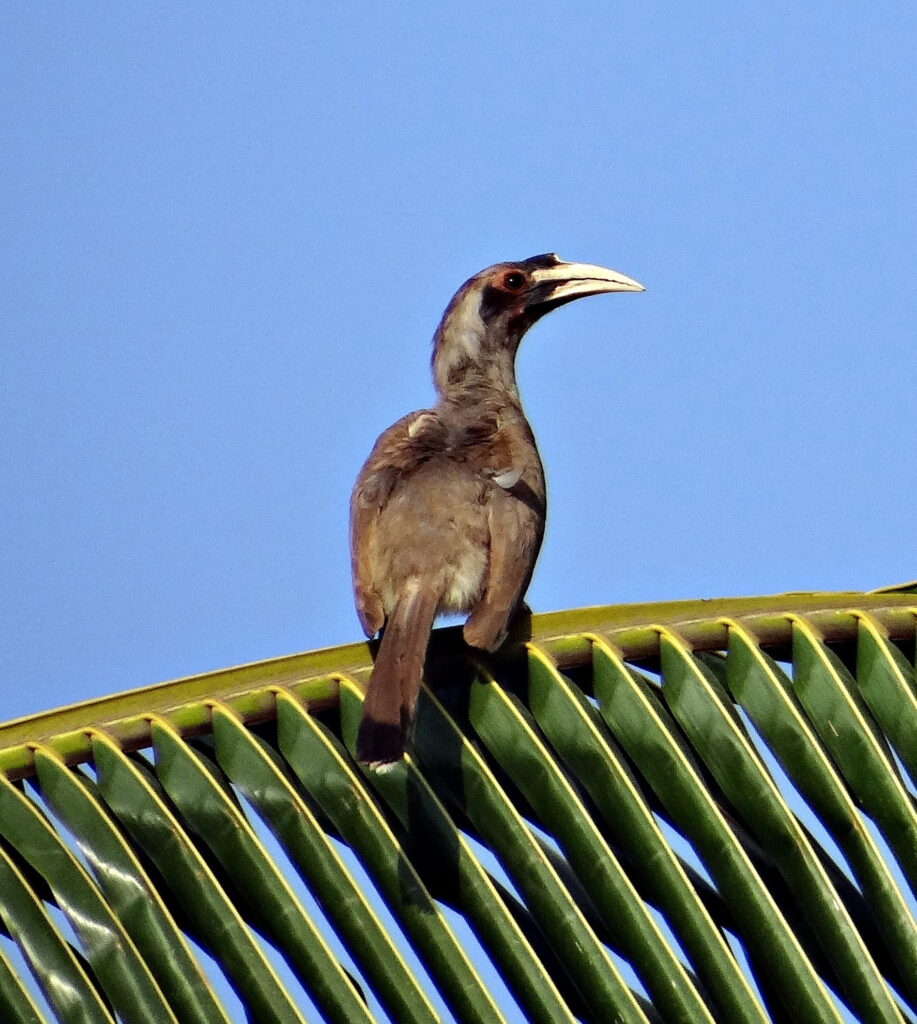
If you’re a birdwatching enthusiast or a lover of backyard wildlife, the Brown-headed Barbet (Psilopogon zeylanicus) is a bird you shouldn’t miss. Common across the Indian subcontinent, this fruit-loving bird is easy to spot yet fascinating to observe. Let’s explore the world of this beautiful creature—its features, behavior, habitat, and how you can attract it to your garden.
What is the Brown-headed Barbet?
This bird, also known as the large green barbet, is a medium-sized bird native to South Asia. It belongs to the Megalaimidae family and is closely related to other barbet species. Its name comes from the distinctive brown plumage on its head, which contrasts beautifully with its bright green body.
How to Identify a Brown-headed Barbet
This bird is easily recognizable if you know what to look for:
- Size: About 27–29 cm in length.
- Color: Bright green body with a brown head and throat.
- Eyes and Beak: Striking yellow eye-rings and a thick, slightly curved yellow-orange beak.
- Call: A loud, repetitive “kutroo-kutroo-kutroo,” often heard more than the bird is seen.
Its camouflage among leafy trees makes it difficult to spot, but its call often gives it away.
Habitat and Distribution
The Brown-headed Barbet is commonly found in:
- Urban gardens
- Parks
- Wooded areas
- Orchards
It thrives in India, Nepal, Bangladesh, and Sri Lanka, and adapts well to urban environments. This adaptability has helped it maintain a stable population, making it a Least Concern species on the IUCN Red List.
Diet: What Do They Eat?
Primarily frugivorous, the Brown-headed Barbet feeds on:
- Figs
- Mangoes
- Guavas
- Bananas
- Berries
Occasionally, they may also eat insects and flower petals. Their love for fruit makes them excellent seed dispersers, helping maintain ecological balance.
Breeding and Nesting Habits
Brown-headed Barbets are cavity nesters. They:
- Excavate nesting holes in soft-wooded trees using their powerful beaks.
- Breed during March to July in most parts of India.
- Lay 2–4 eggs per clutch.
Both parents share incubation and feeding duties, showcasing strong pair bonds.
Tips to Attract Brown-headed Barbets to Your Garden
If you live in their range, you can easily invite these birds into your green space:
- Plant native fruiting trees like fig, mango, or guava.
- Avoid using chemical pesticides that may harm insects or contaminate fruit.
- Maintain a quiet, natural environment with tall trees for nesting.
Bird baths and water dishes can also encourage them to visit during summer months.
Fun Facts About the Brown-headed Barbet
- Despite their vivid color, they blend into foliage incredibly well.
- They often sit still for long periods, making them hard to detect.
- Their calls are territorial and are heard early morning and late afternoon.
Why Should You Care?
Besides being visually stunning, This bird plays a crucial role in maintaining local biodiversity. By feeding on fruits and dispersing seeds, they help regenerate forests and gardens alike. They also control insect populations, keeping the ecosystem in balance.
Conclusion: Spotting the Brown-headed Barbet Near You
Whether you’re exploring a local park or enjoying your garden, keep an eye (and ear) out for the Brown-headed Barbet. Their vibrant presence adds color, sound, and ecological value to our surroundings. Protecting their habitat means protecting the future of urban and forest biodiversity.